


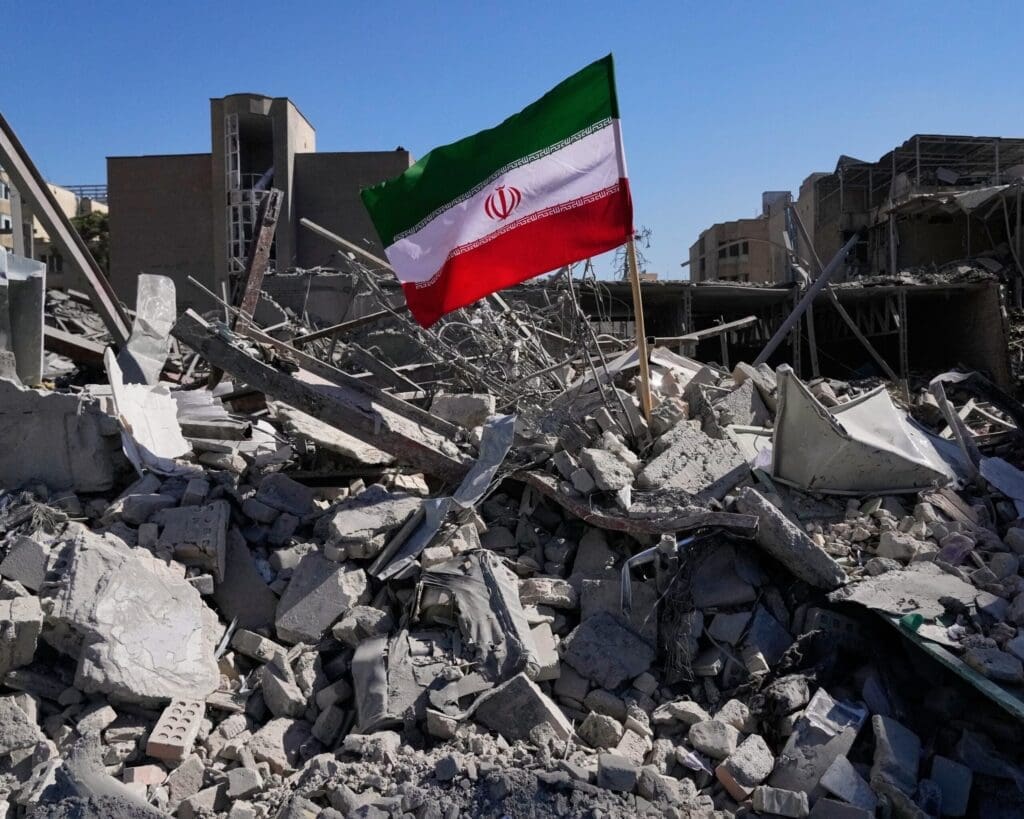
THE MIDDLE EAST, Apr. 7 – The United States and Iran agreed to a two-week ceasefire, offering a pause and potential off-ramp in the fast-growing regional war that had threatened to further disrupt global energy markets. The agreement, announced by President Donald Trump, was brokered by Pakistani mediators and is tied to Iran’s commitment to reopen the Strait of Hormuz to commercial shipping.
The truce emerged only hours before Mr. Trump’s deadline for potential strikes against Iranian infrastructure, including power plants and bridges. Mr. Trump said the U.S. would suspend offensive operations for two weeks, describing the ceasefire terms as a workable basis for broader negotiations. Iranian officials, however, framed the deal more cautiously, signaling that Tehran views the pause as conditional and temporary rather than as a final solution. Reuters reported that Iran had demanded a full halt to U.S. strikes, guarantees against future attacks, compensation for war damages, and recognition of Iran’s right to enrich uranium as conditions for any lasting peace.
The Strait of Hormuz is central to the current deal. The waterway handles a significant share of the world’s maritime oil traffic, and its disruption had spiked the price of crude oil and intensified fears of a wider economic crisis. News of the ceasefire sent oil prices lower and lifted financial markets, reflecting investor hopes that the agreement could prevent any further crisis.
Still, the ceasefire’s feasibility is far from certain. The Associated Press and Reuters both reported that military activity and missile alerts continued in parts of the region and in Israel even after the announcement, underscoring the difficulty of translating high-level diplomatic understanding into an immediate halt on the ground. Israel, according to multiple reports, has also been folded into the arrangement, though fighting linked to Hezbollah and other regional fronts has not fully stopped.
For now, the agreement is offering a narrow off-ramp rather than a lasting peace. The two-week pause may create space for negotiations in Islamabad and further back-channel diplomacy, but the gap between Washington’s call for a temporary halt and the opening of the Strait, and Tehran’s demand for permanent guarantees, remains substantial. Whether this is the start of a broader settlement or just a brief interruption in the conflict will likely depend on what happens next in both the Strait of Hormuz and the negotiations in Islamabad.
Check out more coverage of the Iran Hot Spot. To join the discussion and analysis of the Iran conflict and all breaking news, join us on the Faytuks Network Discord and follow us on X!


