
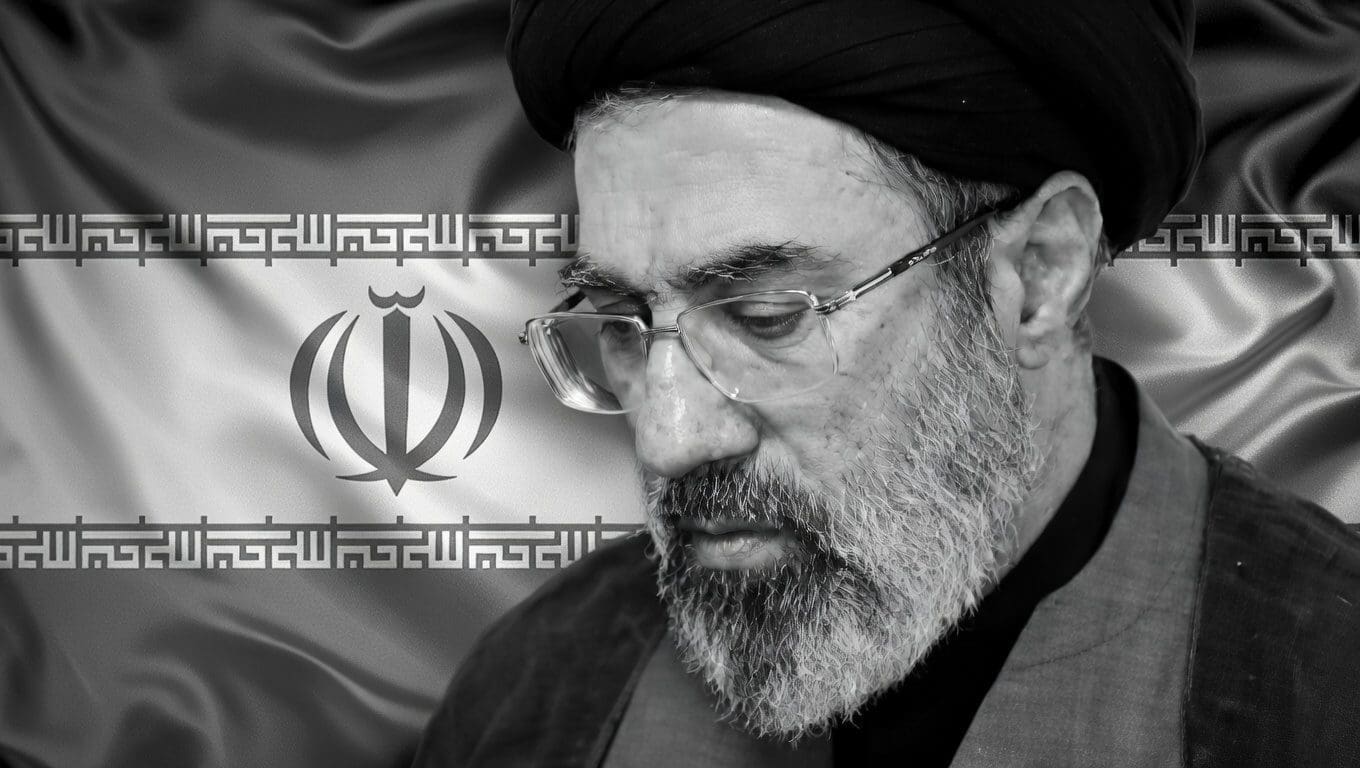
Iran’s Assembly of Experts has named Mojtaba Khamenei, the 56-year-old son of the assassinated Ayatollah Ali Khamenei, as the Islamic Republic’s third Supreme Leader. The announcement, broadcasted on state television early Monday local time, marks the first hereditary transfer of power since the 1979 revolution and comes as the country reels from the devastating US-Israeli military campaign, resulting in the death of his father.
Mojtaba Khamenei, a low profile cleric with deep ties to the Islamic Revolutionary Guard Corps (IRGC), now holds ultimate authority over Iran’s military, judiciary, media, and foreign policy at the most perilous moment in the nation’s 47-year history.
Timeline of Succession
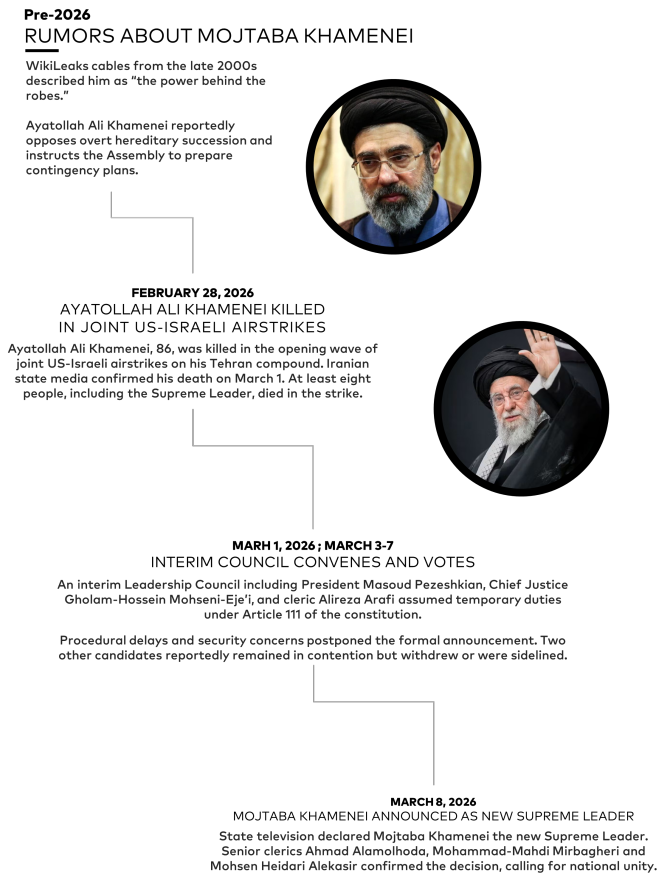
Who Is Mojtaba Khamenei?
Born on September 8, 1969, in Mashhad, Mojtaba is the second of Ali Khamenei’s six children. He briefly served in the Iran-Iraq War as a teenager, then pursued seminary studies in Qom from age 30 (unusually late for a cleric). He holds mid-ranking clerical credentials and has never held elected office or given a public speech. Despite his reclusive image, He wields significant backdoor influence. He is accused of orchestrating IRGC and Basij interference in the 2005 and 2009 presidential elections and of suppressing the Green Movement.
Reports indicate he lost mother and wife in addition to his father in the recent US-Israeli strikes.
Significance of the Appointment
The decision is historic and deeply controversial. The Islamic Republic has always rejected hereditary rule, emphasizing clerical merit over bloodlines. Mojtaba’s selection pushed by the IRGC represents the first father to son transfer of supreme power and cements hardliner dominance at a time when reformist voices have been sidelined. It seems like the appointment of Mojtaba is the establishment of a puppet as the figurehead to ensure their control and power in the regime. It also looks like the plot to ensure policy continuity for the regime, uncompromising opposition to the West, support for regional proxies and tight control over the nuclear program. However, it risks eroding legitimacy among a war affected population already facing economic collapse and civilian casualties from the protests.
What Lies Ahead: His Fate
Mojtaba Khamenei assumes power as a marked man in the middle of the Islamic Republic’s greatest existential crisis. Israel has explicitly threatened his life alongside Trump’s comments suggesting Washington will not accept him without concessions. His leadership remains untested; he has never managed public crises or addressed the nation. Mojtaba’s personal tragedy, his father, mother, his sister and wife may harden his stance against compromise. Yet the war’s devastation, severed oil revenues and international isolation pose enormous challenges. Whether he can unify a fractured elite, rally a grieving public and navigate potential further assassinations will define not only his fate but the survival of the Islamic Republic itself.
A senior cleric told state media,: “The nation must rally behind the new leader to preserve our dignity and independence.” In the streets of Tehran, however, the mood remains one of shock, defiance and uncertainty as explosions continue to echo across the region.

No comment yet, add your voice below!