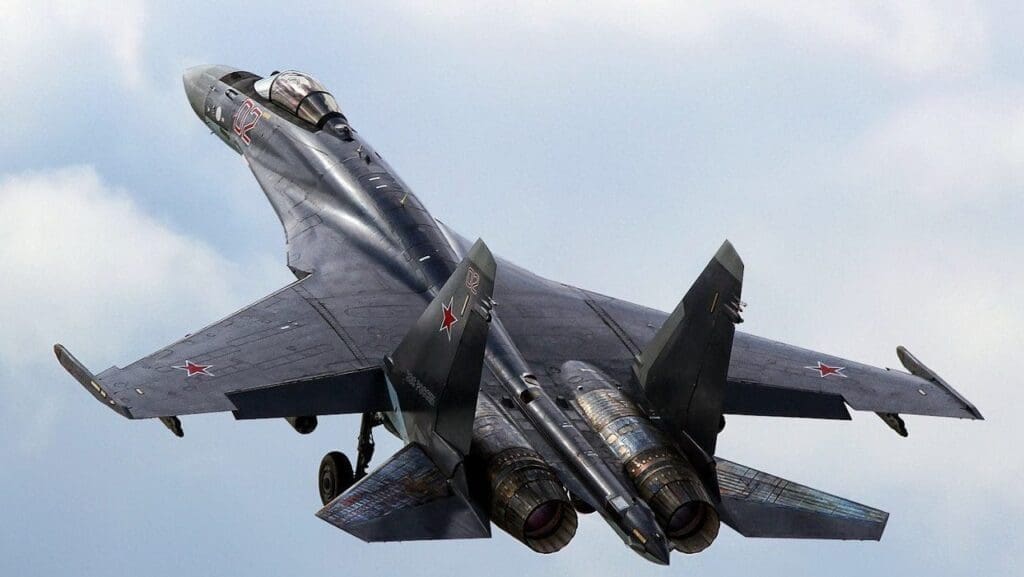
Amid rising tensions between Tehran and Washington, and months after reports first emerged of a multi-billion dollar deal between Iran and Russia for advanced Sukhoi Su-35 fighter jets, the anticipated warplanes have yet to appear on Iranian airbases, fueling uncertainty over the deal’s status and its implications.
Leaked Russian defense documents suggested Tehran had agreed to purchase up to 48 Su-35s in a contract worth roughly €7 billion, a move seen as part of a broader military partnership with Moscow. Despite these reports, and acknowledgments from Iranian commanders that Su-35s had been purchased, independent imagery and military observers have not verified the delivery of assembled Su-35 jets operating in Iran.
Were the Su-35s Diverted?
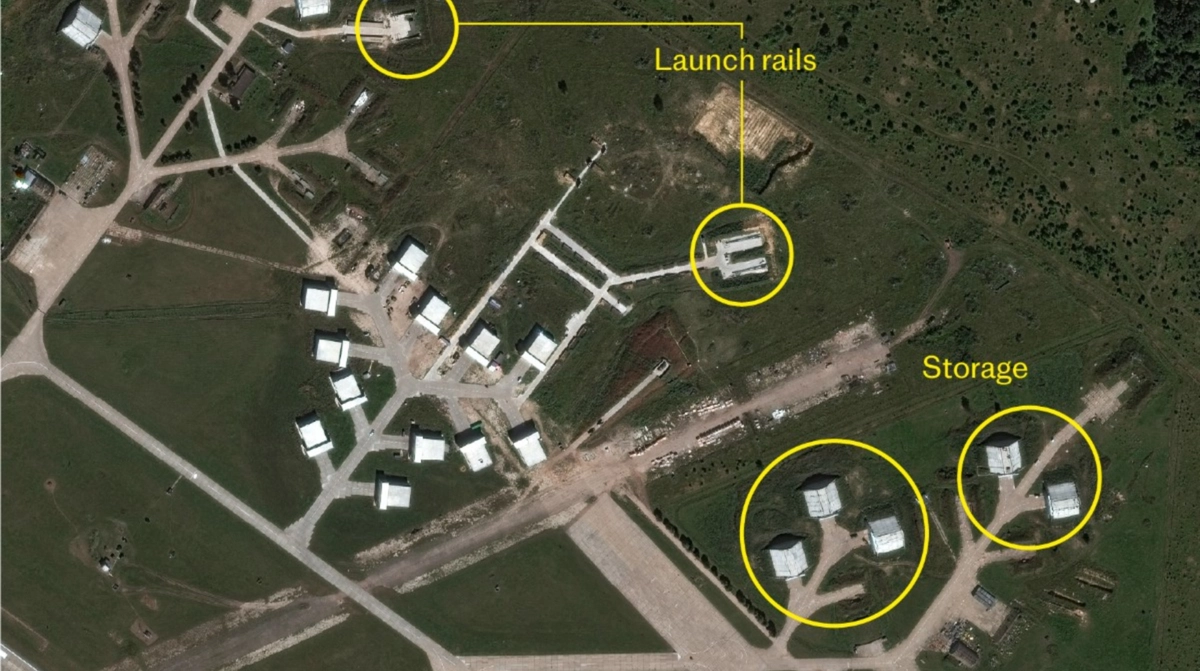
Some speculation suggests aircraft originally meant for Iran have been diverted elsewhere. However, this appears to be unsupported by the known documents. According to leaked documents obtained through United24, the delivery window for the initial 18 aircraft is after the end of 2025 and within 2028, meaning that contract-wise the delivery window has only just started. That said, despite being a strategic partner to Iran, Russia does not appear to have expedited delivery of the jets in the face of looming war, especially as deliveries for Algeria appear to be taking priority over Iran. Others note that pilots and technicians have trained on the type in Russia without any confirmed operational deployment in Iran. Preparations also appear to be underway at Iranian airbases to deploy and house the new jets.
Washington has significantly increased its military presence in the Middle East, deploying dozens of advanced fighter jets and aircraft carriers within reach of Iranian airspace, a show of force linked to long-running disputes over Tehran’s nuclear program and regional activities. Satellite imagery this week revealed a major surge in U.S. air power in neighboring Jordan and Saudi Arabia, increasing the stakes of the standoff.
In response to the buildup, Russia has publicly urged restraint while conducting joint naval exercises with Iran in the Gulf of Oman, underscoring Moscow’s strategic disposition: supportive of Tehran, yet cautious about direct confrontation with the United States. The broader U.S.–Iran confrontation has also included temporary closures of Iranian airspace and heightened alert status, reflecting fears in Tehran of possible American military action amid stalled nuclear negotiations.
For Iran, acquiring Su-35s would represent a significant upgrade to its aging air force, which has struggled to replace older aircraft and was seen as powerless during last year’s war with Israel. But for now, the aircraft remain conspicuously absent, and their potential deployment remains unclear as the situation has become one of the most volatile geopolitical flashpoints.