


HAVANA — Cuba is facing one of its most serious internal crises in decades as a worsening energy shortage, economic decline, and rising public frustration combine to test the resilience of the island’s communist government.
Headlines
Rolling blackouts, some lasting more than a dozen hours per day in parts of the country, have become routine as Cuba struggles with fuel shortages and aging power infrastructure. The outages have disrupted transportation, food distribution, and access to essential services, amplifying an already severe economic crisis.


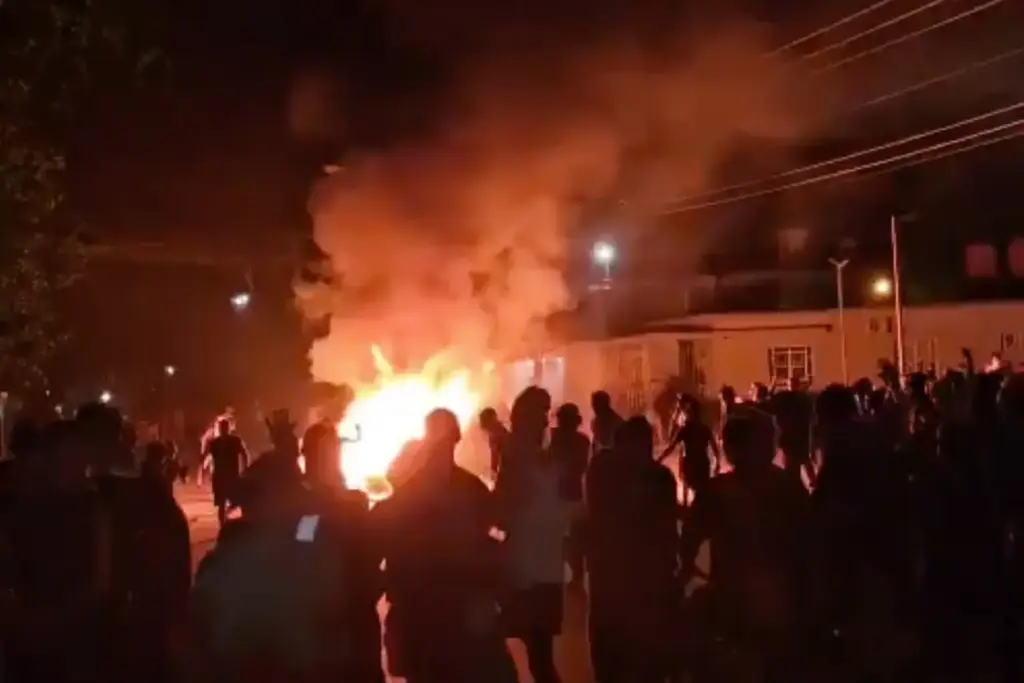
In recent days, the situation has spilled into public unrest. Residents in the central Cuban city of Morón protested prolonged power outages and shortages, with demonstrators vandalizing a local Communist Party office, an unusually direct confrontation with government authority in a country where dissent is tightly controlled. Cuban authorities later confirmed arrests following the incident.
Separately, students at the University of Havana staged a rare protest over power and internet disruptions earlier this month, highlighting how frustrations are spreading beyond working-class neighborhoods to include younger and more politically active segments of society.
Fuel shortages driving the crisis
At the center of the crisis is Cuba’s worsening fuel shortage. The island relies heavily on imported oil to run its power plants and transportation systems, and those supplies have become increasingly constrained.
Officials in Havana say the shortage stems from tightening U.S. sanctions and disruptions to oil deliveries from Venezuela, which has historically supplied Cuba with heavily subsidized fuel. The lack of fuel has forced authorities to ration electricity and suspend some industrial activity.
President Miguel Díaz-Canel acknowledged the severity of the situation in recent remarks, saying the government is exploring diplomatic avenues to ease pressure and stabilize fuel imports. Reuters reported that Cuba has held talks with the United States as the economic situation worsens.
Growing geopolitical tension
The crisis also carries broader geopolitical implications.
Cuba has sought diplomatic and economic support from Russia and China as it attempts to navigate sanctions pressure and energy shortages. Chinese officials recently expressed support for Cuba amid what Beijing described as “external interference,” while Russia has similarly criticized U.S. pressure on the island.
Analysts say neither country appears likely to fully rescue Cuba’s struggling economy, but both have incentives to maintain political ties with Havana and limit U.S. influence in the Caribbean.
The island’s location, roughly 90 miles from Florida, gives it outsized strategic importance in regional geopolitics. During the Cold War, Cuba served as a major Soviet ally and intelligence outpost in the Western Hemisphere, most notably during the 1962 Cuban Missile Crisis.
Today, the strategic concerns are different but still significant, including migration pressures, regional instability, and the potential expansion of foreign intelligence or economic influence in the region.
Unrest remains limited at this time
Despite the rising tensions, large-scale nationwide protests have not yet materialized. Cuba’s security apparatus remains highly capable of suppressing dissent, and past demonstrations have often been followed by arrests and surveillance.
Still, the frequency of recent protests and the increasingly confrontational tone of some demonstrations suggest growing strain inside the country.
Many observers note parallels with the July 2021 protests, the largest anti-government demonstrations on the island in decades, which were sparked by similar frustrations over shortages and blackouts.

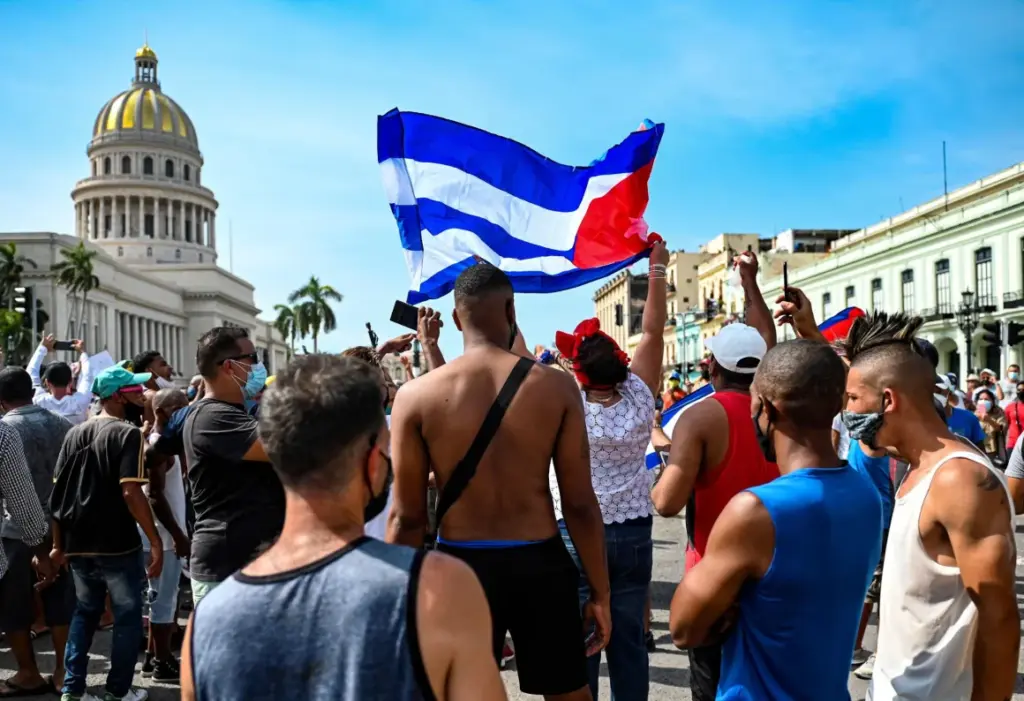
Yamil Lage/AFP/Getty Images
For now, the Cuban government appears focused on managing the crisis through a combination of rationing, diplomatic outreach, and internal security measures. Whether that strategy can stabilize the country in the months ahead remains uncertain.
What happens next may depend largely on one critical factor: energy.
If fuel deliveries resume and electricity outages ease, tensions could stabilize. But if shortages worsen, or if the power grid suffers another major failure, then analysts warn the island could see broader unrest.
For a government already facing its most severe economic stress in decades, the margin for error is narrowing.


