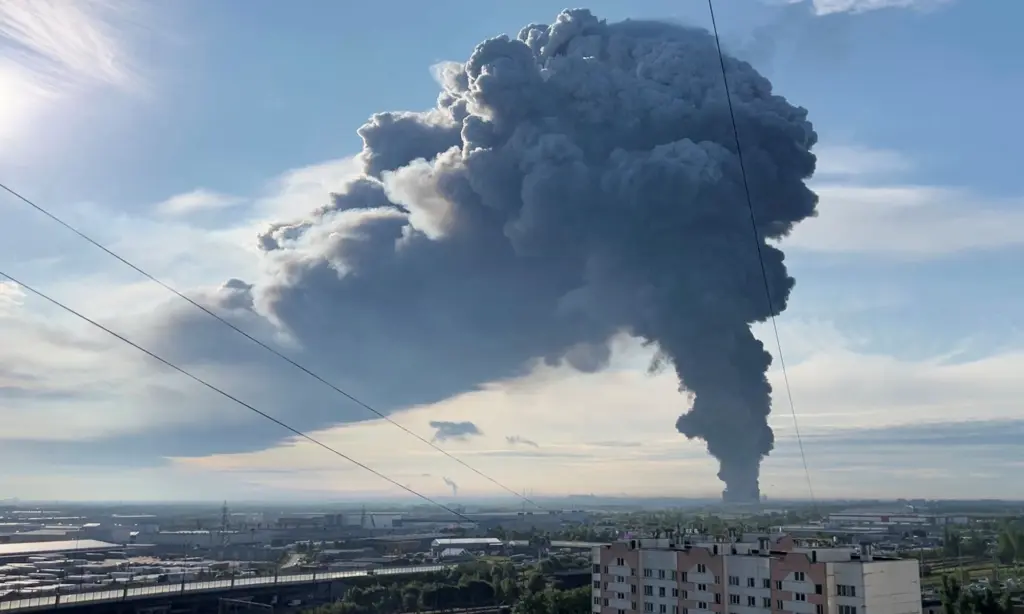
Ukraine’s expanding campaign against Wildberries warehouses is testing more than the resilience of Russia’s largest online retailer. The strikes are exposing the difficulty Moscow faces in defending economic infrastructure across a country of Russia’s size while adding new costs for businesses, banks and a government already contending with slower growth and heavy wartime spending.
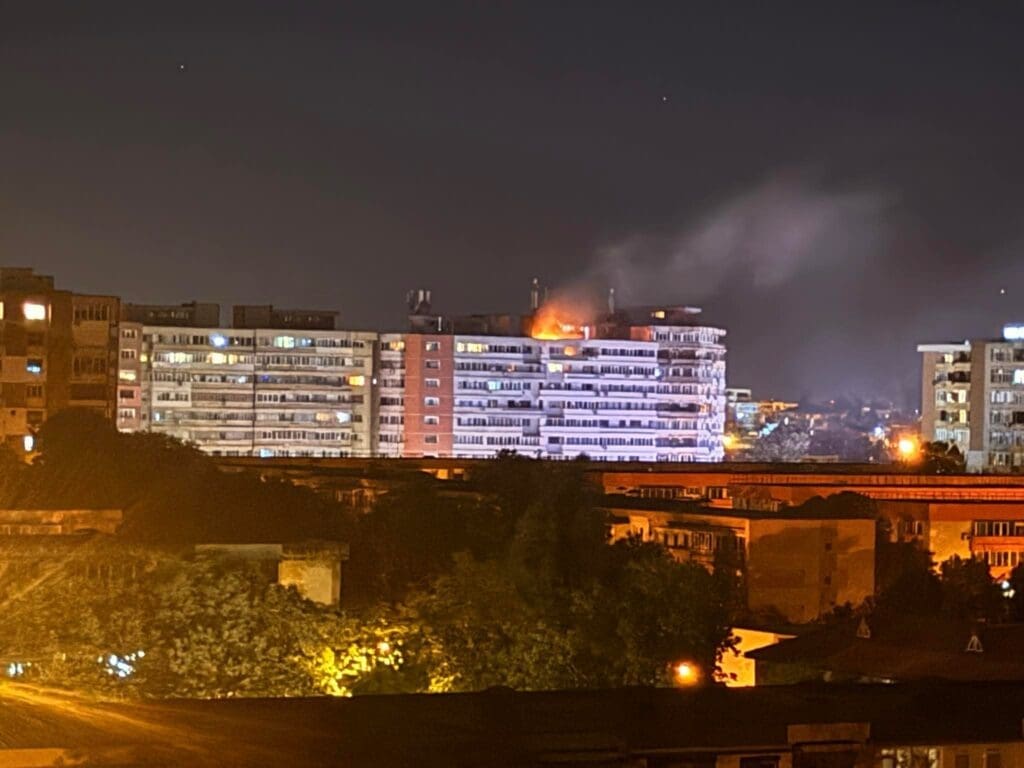
Ukrainian drones have attacked more than 20 Wildberries facilities since July 18, according to Reuters and Russian officials. A Reuters review of satellite imagery found that at least 1.18 million square meters of warehouse space, more than one-fifth of the company’s capacity, had been damaged or destroyed by Aug. 7. The attacks have also killed workers, destroyed merchandise belonging to thousands of independent sellers and interrupted deliveries through a network of nearly 100,000 pickup points in Russia and neighboring countries.
The campaign does not threaten the Russian economy on its own, and there is little evidence that disruption at one retailer could produce a nationwide economic crisis. Its importance lies instead in the costs it can impose at several levels at once. Russia must replace warehouse capacity, deal with losses among small businesses and lenders, and decide whether major commercial sites now require the kind of air-defense protection previously concentrated around military bases, energy facilities and large cities.
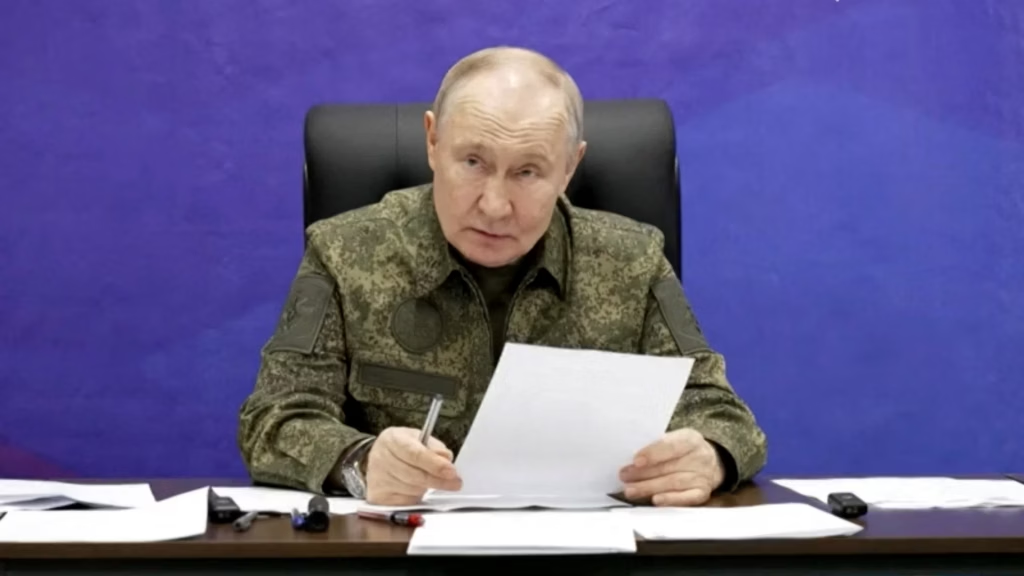
Those choices have also reached President Vladimir Putin. Hours after drones struck a Wildberries center in Yekaterinburg on Aug. 7, Putin chaired a Security Council meeting and said the discussion would address additional measures to strengthen the protection of infrastructure. The Kremlin has separately acknowledged discussions about possible government support for Wildberries and businesses affected by the attacks.
The strikes are redrawing Russia’s sense of distance
The attack on Yekaterinburg provided the clearest measure yet of the geographic problem facing Moscow. The city sits in the Ural Mountains, more than 2,000 kilometers, or about 1,200 miles, from the Russian-Ukrainian border. Regional officials said three drones came down on the roof of the Wildberries logistics center after air defenses engaged the attack. About 800 people were evacuated, and the company said most of the merchandise escaped damage.

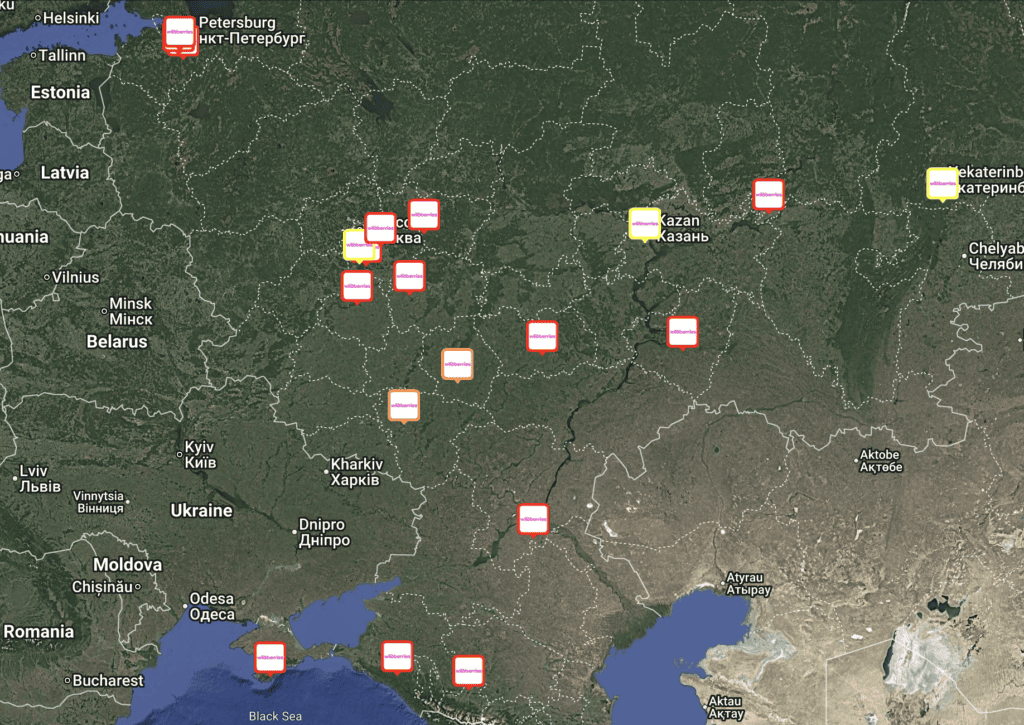
The strike does not establish that the drones traveled the full distance from Ukrainian-controlled territory. Their launch sites and flight paths have not been publicly confirmed, and Ukrainian forces have developed several methods for conducting attacks deep inside Russia. It nevertheless adds to a growing record of Ukrainian strikes reaching the Urals and, in other operations, western Siberia.
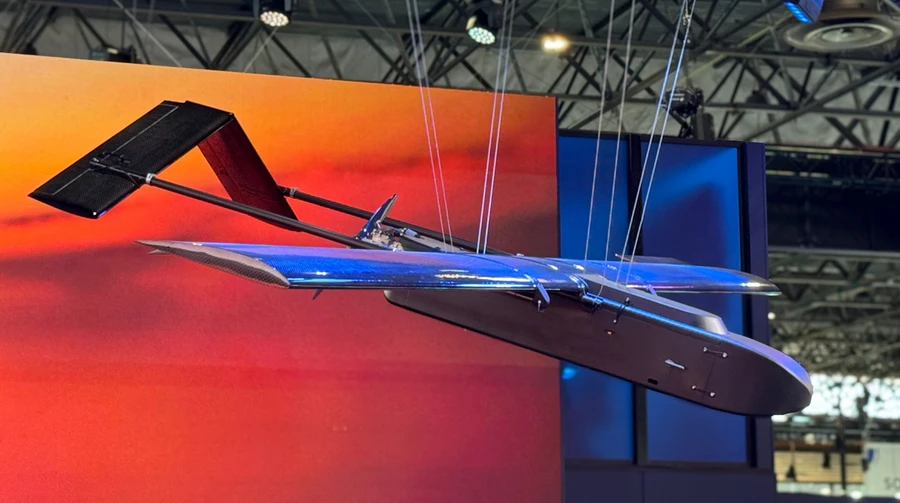
Ukraine’s domestic weapons industry is also openly developing aircraft with the range needed for such missions. Fire Point, one of the country’s major long-range drone manufacturers, now lists the operating range of its FP-1 at up to 2,600 kilometers. There is no public confirmation that an FP-1 was used in the Yekaterinburg attack, but the system illustrates how far Ukraine’s long-range strike capacity has developed.

For Russia, the significance is less about the performance of a particular drone than the number of potential targets that now fall within reach. During much of the war, Moscow could concentrate higher levels of protection around the capital, border regions, military installations and particularly valuable industrial facilities. The spread of Ukrainian long-range weapons increasingly places refineries, factories, rail infrastructure and large commercial centers hundreds or thousands of kilometers farther east under some degree of threat.
That creates a problem of scale. Russia reported intercepting 203 Ukrainian drones during the overnight attack that included Yekaterinburg, an indication that its air-defense network remains capable of destroying large numbers of incoming aircraft. But defending a warehouse does not require Ukraine to defeat the entire Russian air-defense system. A small number of drones reaching their target, or being destroyed close enough for debris to fall onto a large industrial site, can still cause substantial damage.
The result is an increasingly difficult allocation question for the Russian military. Air-defense units and electronic warfare systems are already needed around military airfields, weapons plants, oil refineries, ports, power facilities and population centers. Commercial logistics hubs add another category of large, fixed and economically important targets.
The Wildberries campaign therefore does not show that Russian air defense has stopped functioning. It shows the limits of trying to provide the same level of protection everywhere.
Economic damage spreads well beyond Wildberries
Wildberries occupies an unusually important position in Russia’s consumer economy because it is both a retailer and a logistics system for tens of thousands of other businesses. Reuters reported that the company and other e-commerce platforms handle goods and services equal in value to about 8.5% of the Russian economy. Wildberries alone operates through about 98,000 pickup points in Russia and neighboring countries.
That structure allows damage at several large warehouses to spread quickly to businesses that were nowhere near the attacks. Sellers store merchandise in Wildberries facilities and depend on the company to move orders across the country. Pickup-point franchisees depend on a steady flow of packages. Banks lend money to those businesses based partly on the expectation that the system will keep operating.
By early August, more than 3,100 Wildberries pickup points had been listed for sale on the Russian online marketplace Avito, Reuters reported. One Moscow franchise operator said his sales had fallen about 50% as deliveries declined. Wildberries said it had provided initial voluntary compensation to more than 97,000 sellers whose inventory was lost in the attacks.
The pressure has begun reaching the financial system as well. Sberbank, Russia’s largest lender, said in late July that it could have to increase provisions for bad loans after the attacks weakened the credit quality of retailers and vendors. About 300 companies had already sought loan restructuring at the time.
The Bank of Russia has since moved more broadly. On Aug. 10, it recommended that lenders restructure debts for small and medium-sized businesses affected by attacks on logistics centers and other commercial properties, including cases in which borrowers would not normally qualify for statutory payment holidays. The central bank also urged lenders to avoid penalties and demands for early repayment.
Those measures offer an indication of how Russian authorities view the risk. The problem is no longer limited to the balance sheet of Wildberries. It includes otherwise viable businesses that could face cash-flow problems because their inventory was destroyed or their sales channels were interrupted.
Estimates of the direct damage remain uncertain. Reuters Breakingviews cited Russian media estimates of between $2 billion and $4 billion and said reports suggested close to 30% of Wildberries warehouse space had been destroyed by Aug. 11. Those figures have not been independently established to the same degree as Reuters’ earlier satellite assessment, which confirmed damage to more than 20% of capacity, and should be treated as estimates rather than a final accounting.
Even at $2 billion to $4 billion, the direct damage would amount to only a small fraction of Russia’s roughly $2.5 trillion economy, about 0.08% to 0.16% of annual GDP. That comparison also overstates the relationship between the two figures because destroyed buildings and inventory are asset losses, not a one-for-one reduction in economic output.
The more important economic effect is likely to come from secondary costs: rebuilding warehouse capacity, replacing inventory, restructuring loans, shifting deliveries to less efficient routes and supporting businesses that lose revenue. Those pressures arrive as the Bank of Russia expects economic growth of only 0% to 1% in 2026 and inflation of 6% to 7%. Its key interest rate stands at 14%.
In a rapidly growing economy, a logistics disruption of this size would be easier to absorb. In an economy growing little, with credit still expensive, the same shock creates a greater risk that temporary business losses become bankruptcies or unpaid loans.
The attacks create a political choice for the Kremlin
The Kremlin has so far avoided committing publicly to a broad bailout, but it is already involved in discussions over what happens next. Reuters reported that Russian officials have considered loans from state-controlled banks, tax breaks or subsidies for Wildberries and affected sellers. Kremlin spokesman Dmitry Peskov has said the government is monitoring the situation and praised the company for offering assistance to businesses that lost goods.

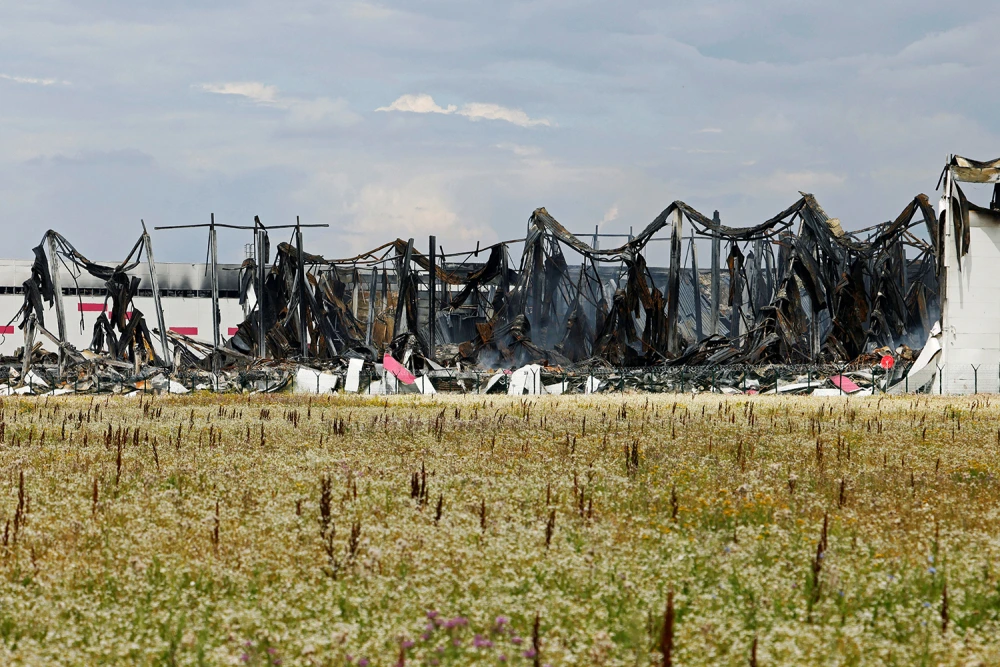
That leaves Putin’s administration with competing pressures. Financial support would reduce the chance that losses cascade through sellers, pickup-point operators and banks, but it would shift part of the cost of the Ukrainian strikes onto the state. Allowing businesses to absorb the losses with limited help would protect the budget but could produce more bankruptcies and complaints from a group of entrepreneurs that normally has little connection to military policy.
The political sensitivity is heightened by Wildberries’ own relationship with the Kremlin. The company’s controversial 2024 merger with advertising group Russ received Putin’s backing, according to the Kremlin. Reuters reported at the time that Maxim Oreshkin, a senior official in the presidential administration, had been assigned to oversee implementation of the deal, citing Russian media reports and a letter. The merger left Wildberries founder Tatyana Kim with roughly 65% of the combined company.
That does not make Wildberries a state company, but it means the retailer is not politically remote from the administration now being asked to address the consequences of the attacks.
There is also a broader domestic consideration for Putin. Ukraine has said its deep-strike campaign is intended in part to raise the cost of continuing the war inside Russia. Disrupting an online marketplace reaches a different part of Russian society than attacking a military base or refinery because the losses can be felt directly by sellers, franchise owners and consumers.
There is no evidence that the Wildberries attacks have created a serious challenge to Putin’s political position, and it would be premature to assume that economic disruption will translate into opposition to the war. Attacks that kill Russian civilians could instead increase hostility toward Ukraine. The more immediate pressure on the Kremlin is administrative: businesses want compensation, banks want clarity, regional officials want protection and the military has to decide which sites receive it.
Putin’s Security Council meeting after the Yekaterinburg strike is significant in that context. The issue before the Kremlin is not whether it can prevent every Ukrainian drone from entering Russian airspace. It is how much infrastructure the state is prepared to defend and how much economic damage it is prepared to absorb when defenses fail.
Wildberries has a dual-use role, but the evidence has limits
Ukraine has defended the warehouse campaign by alleging that Wildberries helps supply Russian forces with drone components, navigation equipment and other goods with military uses. Wildberries and the Kremlin say the warehouses are civilian facilities and deny that the company supplies the Russian army.
Available open-source evidence supports a narrower conclusion: Wildberries is a civilian marketplace that has been used extensively by volunteer groups to buy supplies for Russian troops, including some equipment with clear battlefield applications. That is different from evidence that the company is formally integrated into the Russian Defense Ministry’s logistics system.
Meduza examined public fundraising campaigns by Russian pro-war groups and found 1,882 Wildberries product listings tied to requests for goods intended for service members, military hospitals or workshops supporting the front. The documented purchases included medical equipment, radios, satellite communications systems, body armor, helmets, night-vision devices and drone components, including payload-release systems. Wildberries also operated an “Everything for the SVO” section containing items marketed for Russia’s war effort before that section disappeared after the warehouse strikes began.
The same investigation found important limits to that evidence. The value of the military-related Wildberries purchases Meduza could document from public fundraising posts was about 18.6 million rubles, a tiny amount compared with the overall scale of the company. Meduza also found similar military purchasing through rival marketplace Ozon, including body armor, drone components and other equipment.


There is therefore evidence that Wildberries functions as one channel in the wider civilian and volunteer supply network supporting Russian troops. There is not public evidence that its warehouse system as a whole is primarily military, or that the particular warehouses struck by Ukraine were predominantly storing military materiel.
That distinction is important both for assessing Ukraine’s stated rationale and for understanding the wider strategy. If the objective were simply to stop a documented stream of military equipment, the publicly identified volume of Wildberries purchases would appear small compared with the scale of the attacks. The economic importance of the company provides another explanation for why it has received so much attention.
A campaign aimed at the cost of defending Russia
The Wildberries strikes are unlikely to determine the direction of Russia’s economy or the war. Russia has the resources to rebuild warehouses, and other retailers can take some of the business that Wildberries cannot immediately handle.
The campaign is more consequential as part of a larger pattern of Ukrainian attacks on Russian infrastructure. Long-range drones give Kyiv a way to force Moscow to consider the defense of targets that once sat comfortably behind the geographic depth of Russia. Each warehouse does not need its own missile battery for that pressure to matter. The possibility of attack can lead companies to disperse inventory, build redundancy, change logistics and seek greater protection from the state.

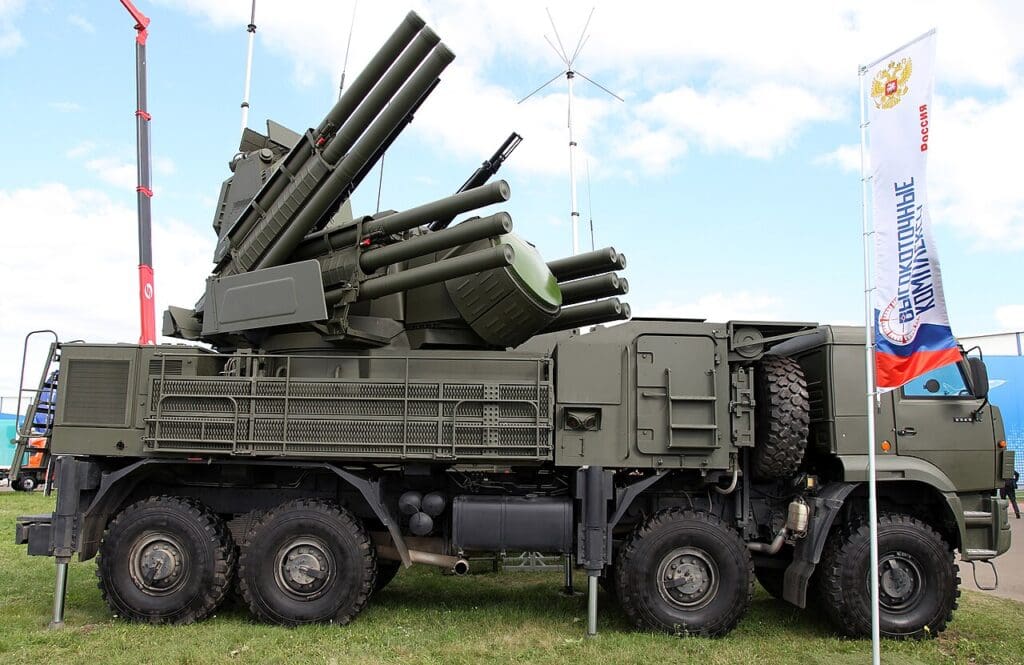
For the Kremlin, those are costs that accumulate without necessarily producing a dramatic single event. A warehouse can be rebuilt and an intercepted drone can still be counted as a successful air-defense engagement, while the government is left dealing with disrupted businesses, additional lending support and demands for stronger protection.
That is what makes the Wildberries campaign more significant than the damage to any one retailer. Ukraine is testing whether Russia’s depth remains an economic advantage when inexpensive long-range weapons can force the state to defend a much larger portion of it.