
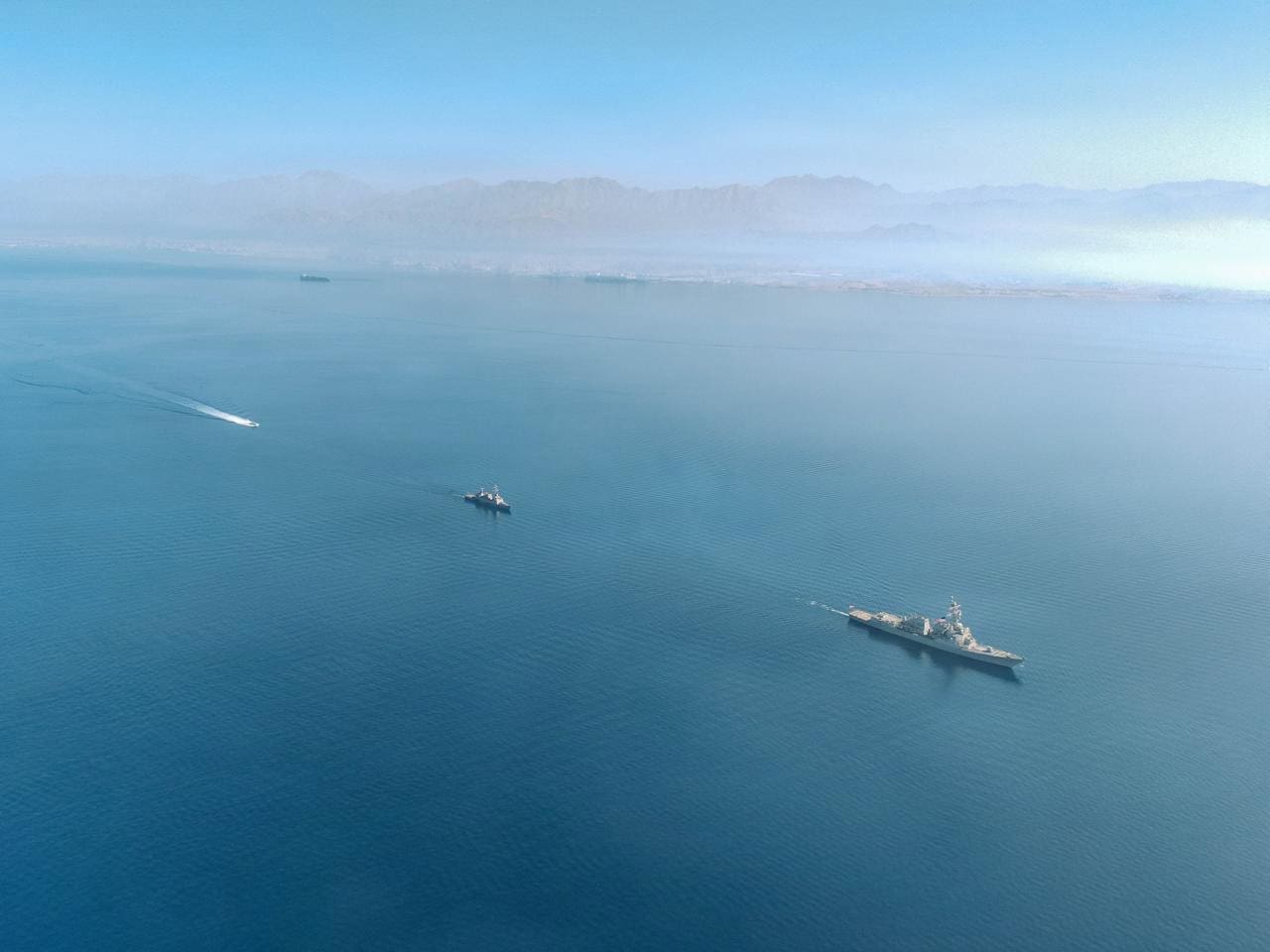
Yemen’s Houthis have threatened to close the Bab el-Mandeb Strait, raising fears that renewed fighting with Saudi Arabia could spread to one of the world’s most important shipping routes.
The warning follows strikes Monday on Sanaa International Airport, which is under Houthi control. The Houthis accused Saudi Arabia of carrying out the attack and said it marked the end of a yearslong period of reduced fighting. Saudi officials have not publicly confirmed that the kingdom conducted the strikes.
Yemen’s internationally recognized government, which is backed by Riyadh, said its forces targeted the airport runway to stop an Iranian aircraft from landing without authorization. The plane was later reported to have landed at Hodeidah airport on Yemen’s Red Sea coast.
Iran has asked the Houthis to stand ready to close the Bab el-Mandeb Strait if the U.S. strikes Iranian power infrastructure, three sources tell Reuters pic.twitter.com/7FpWGMOXze
— Faytuks Network (@FaytuksNetwork) July 16, 2026
The Houthis responded by firing missiles and drones toward Abha International Airport in southern Saudi Arabia. Saudi air defenses intercepted the missiles, and no casualties were reported. The exchange marked the most serious confrontation between the Houthis and Saudi Arabia since an informal truce began in 2022.
Houthi leader Abdul Malik al-Houthi also warned that Saudi oil installations, airports, ports and other vital facilities could be targeted if Riyadh expands its military involvement in Yemen.
The escalation has increased concern over the Bab el-Mandeb Strait, which connects the Red Sea with the Gulf of Aden and provides access to the Suez Canal. A source close to the Houthis told Reuters that missiles and drones had been positioned near the waterway, though the claim has not been independently verified.
The Houthis have not announced that the strait is closed, and there was no immediate indication that they had begun stopping commercial vessels.
A sustained disruption would force ships to take the longer route around southern Africa, adding time and cost to global energy and cargo shipments. The risk is especially serious as Saudi Arabia has diverted much of its oil traffic through the Red Sea amid disruption in the Strait of Hormuz.


No comment yet, add your voice below!