



CIA Director visits Kremlin, issues ultimatum

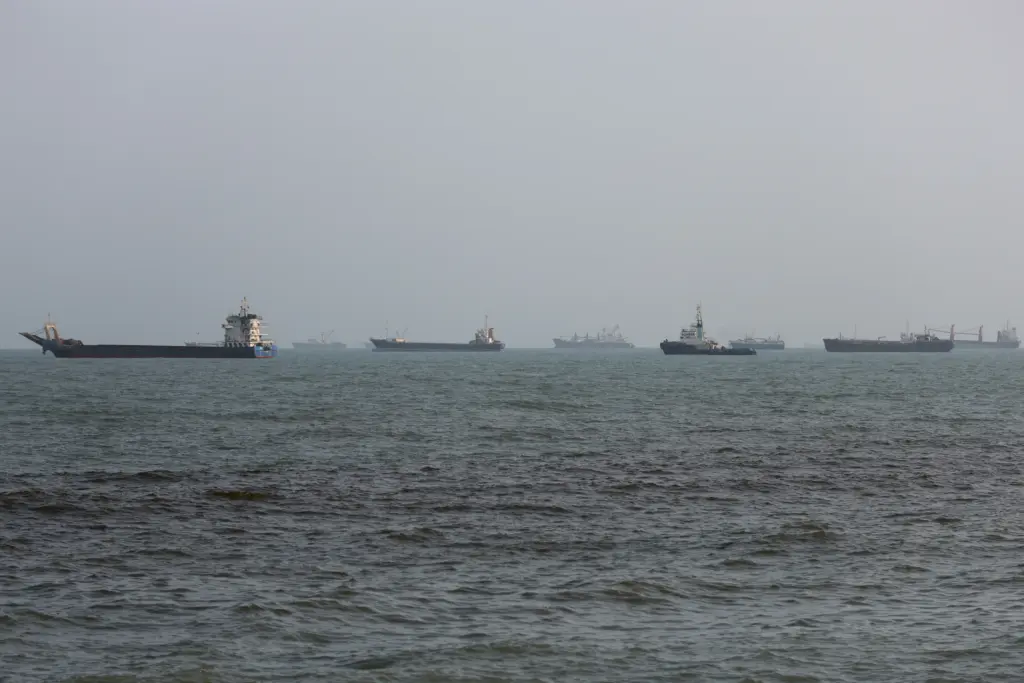
Iran and Oman have moved closer to an arrangement aimed at restoring shipping through the Strait of Hormuz, with the two sides discussing a temporary navigation corridor and mine-clearing measures. But despite public claims of progress, a final agreement has not yet been completed.
A senior Iranian source told Reuters on Wednesday that an agreement with Oman over the strait had not been finalized and that negotiations were continuing over the details. The statement came after an Islamic Revolutionary Guard Corps spokesperson said the two countries had reached acceptable results on how the waterway and related revenues would be divided.
The differing statements suggest Tehran and Muscat have reached understandings on parts of the framework without completing a binding accord.
Omani Foreign Minister Badr Albusaidi said after talks Tuesday that he was hopeful the two sides would soon announce a temporary corridor and practical steps to restore safe navigation. Separately, Iran and Oman said they had explored creating a joint temporary shipping corridor and agreed to work on removing mines from the waterway.
A major unresolved issue is the status of military vessels. Iran has said a prospective agreement should bar military ships from passing through the strait, a demand that would put Tehran at odds with Washington and potentially other Western governments that consider the waterway an international strait open to military as well as commercial navigation. The dispute could become one of the main obstacles to turning the current framework into a lasting arrangement.
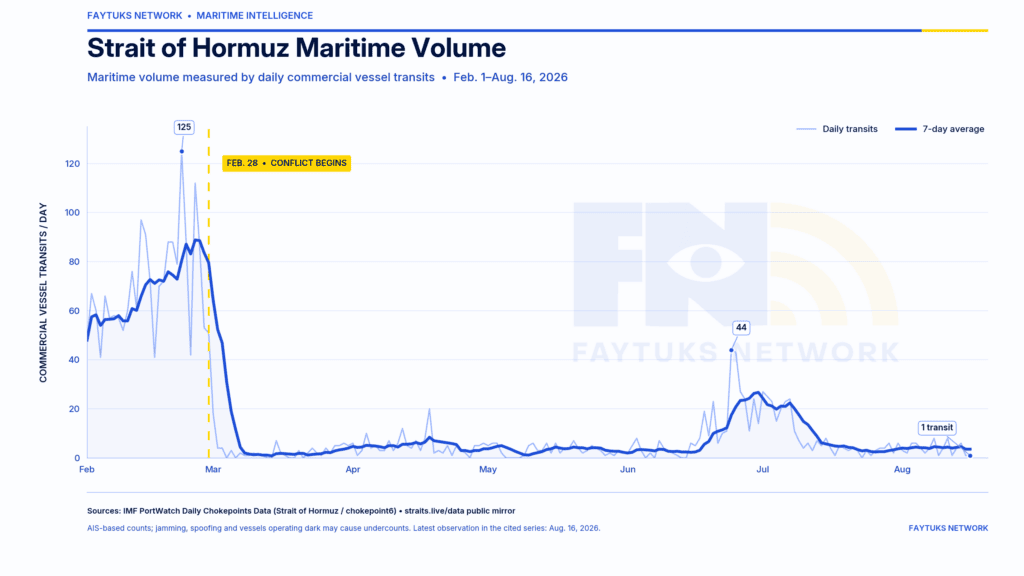
The talks come as commercial shipping through Hormuz remains severely depressed. Only five commodity vessels crossed the strait Tuesday, according to preliminary Kpler data, compared with a 10-day average of 15. Four vessels made the transit Monday. Some ships may not appear in the initial figures because vessels operating in the area sometimes turn off their location transponders.
Before the war began in February, the Strait of Hormuz handled about one-fifth of global oil and liquefied natural gas shipments. Most traffic has since been disrupted as Iran and the United States have sought to impose competing restrictions on the waterway.
Iran has also tied a broader reopening of the strait to U.S. action under the stalled interim ceasefire framework, including an end to the U.S. blockade on Iranian ports, sanctions relief and compensation. The IRGC has accused Washington of obstructing negotiations with Oman.
The next signs of whether the talks are producing a real change will likely come from activity on the water.
AIS and satellite imagery around any proposed corridor could show whether merchant vessels begin using it. Mine-clearing operations, changes in the posture of the IRGC Navy and movements by U.S. or European naval forces will also be key indicators.
For shipping markets, the clearest test remains traffic itself. Until tanker and cargo transits rise significantly, the diplomatic progress will remain preliminary rather than a true reopening of the Strait of Hormuz.

A senior CIA official tells Faytuks Network the US can confirm Mojtaba Khamenei survived the initial airstrike on February 28 that killed his father, then-Supreme Leader Ali Khamenei, but his whereabouts since have been a mystery.
U.S. forces are still on track to leave Iraq by Sept. 30, Reuters reports, even as regional tensions rise. Saudi Arabia is warning that Iran-backed groups in Iraq and Yemen could be preparing coordinated attacks on the Kingdom.


No comment yet, add your voice below!