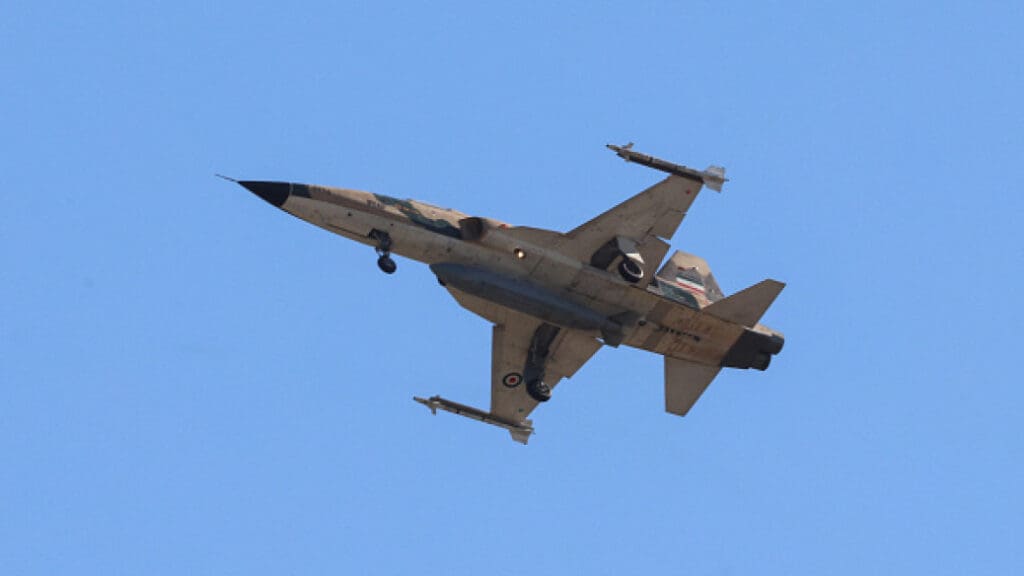
Iran and Qatar are disputing the fate of three Iranian Air Force pilots who went missing after their aircraft were shot down during fighting in March. Iran’s Armed Forces General Staff said Saturday that pilots Javad Salehi, Abdolmajid Dashtian and Omran Behraveshian survived their ejections and were subsequently detained by Qatari forces. Tehran has asked the International Committee of the Red Cross to seek access to the men, determine their condition and facilitate contact with their families.
Qatar rejected the accusation hours later. A spokesperson for the Qatari Foreign Ministry said the country is not holding the three pilots and maintained that Qatari forces acted solely to defend national airspace during the attack. According to Doha, search teams recovered the remains of one Iranian pilot following the incident and later invited Iranian authorities to review details of the search operation. Qatar said it received no response from Tehran to that invitation.
The dispute traces back to March 2, when Qatar said its air force shot down two Iranian Su-24 aircraft approaching the country during a broader Iranian attack involving missiles and drones. Iranian officials now say four pilots were involved in the mission, with one killed and three surviving after ejecting. Tehran claims it has obtained information indicating the surviving pilots were taken into Qatari custody, while Doha’s latest statement directly challenges that account and leaves the status of the three men unresolved.
Iran has accused Qatar of withholding information and denying the pilots access to their families and Iranian officials for nearly six months. Qatar’s denial now places the two governments in direct contradiction over whether the pilots survived and, if so, what happened to them after the aircraft were brought down. No independent confirmation has established the whereabouts of Salehi, Dashtian or Behraveshian. The competing claims are likely to increase pressure for outside verification, particularly through the ICRC or another neutral intermediary capable of reviewing the evidence held by both governments.