
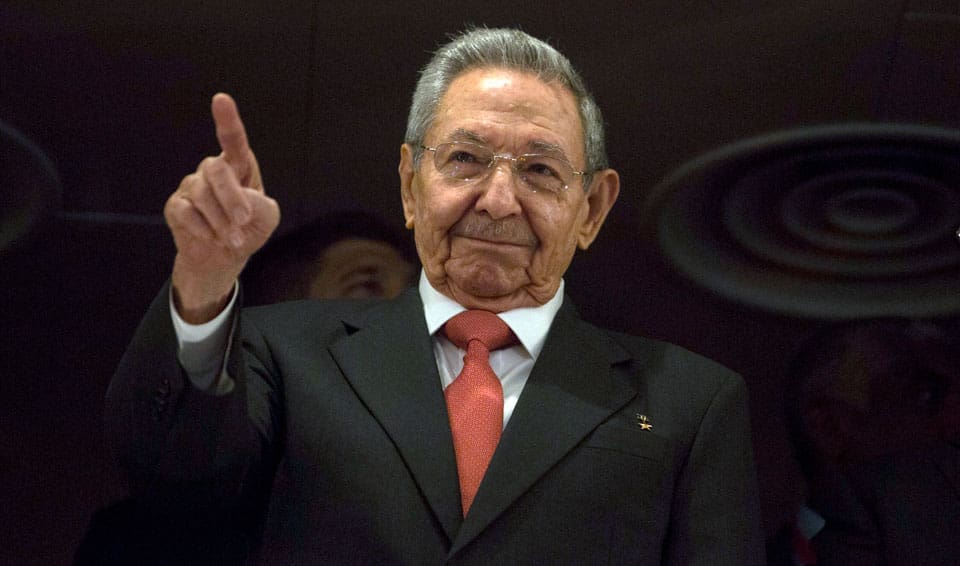
The United States indicted former Cuban leader Raúl Castro and five other Cuban officials Wednesday over the 1996 shootdown of two civilian exile-group planes, a major escalation in Washington’s pressure campaign against Havana.
The Justice Department said a federal grand jury in South Florida charged Castro, 94, with conspiracy to kill U.S. nationals, four counts of murder and two counts of aircraft destruction. The case stems from the Feb. 24, 1996, attack on two unarmed Brothers to the Rescue aircraft, which were destroyed by Cuban fighter jets, killing four people aboard, according to prosecutors.
The indictment revives one of the most charged episodes in modern U.S.-Cuba relations. Brothers to the Rescue, also known as Hermanos al Rescate, was a Miami-based exile group that searched the Florida Straits for Cuban migrants in distress. U.S. prosecutors allege Cuban intelligence infiltrated the group and passed details on its flight operations to Cuban military leaders before the shootdown.
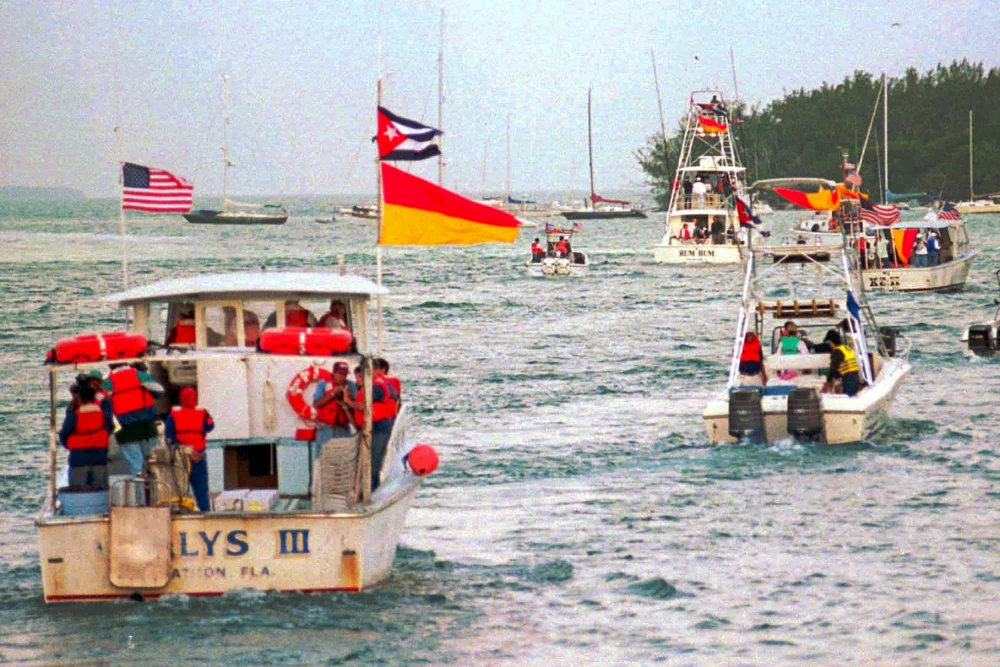
Castro was Cuba’s defense minister at the time and later served as president after his brother, Fidel Castro, stepped aside. The Justice Department said the aircraft were outside Cuban territory when they were shot down. Cuba has long defended the action, saying the planes violated Cuban airspace and ignored warnings.
The charges do not mean Castro is in U.S. custody, and an indictment is only an allegation. The Justice Department said all defendants are presumed innocent unless proven guilty. One co-defendant, Luis Raul Gonzalez-Pardo Rodriguez, is already in U.S. custody in a separate immigration-related case, prosecutors said.
The move also fits a broader pattern in the Trump administration’s use of U.S. criminal courts against foreign leaders it accuses of violence, trafficking or threats to American security. In Venezuela, Washington used criminal charges against Nicolás Maduro as part of a wider pressure campaign that paired indictments, sanctions, military deployments and public claims that the regime was tied to narcoterrorist networks.
The parallels are clear, but not exact. The Maduro case centered on drug and weapons allegations tied to alleged cartel activity. The Castro case is rooted in a decades-old aircraft shootdown that killed U.S. nationals. Still, both cases use U.S. courts to put a foreign leader under criminal pressure while giving Washington a legal and political frame for tougher action.
The regional military backdrop has also changed since the height of the Venezuela campaign. The USS Gerald R. Ford Carrier Strike Group is no longer in the Southern Command area of responsibility. But the Iwo Jima Amphibious Ready Group remains in the region, keeping a U.S. naval and Marine expeditionary presence in the area as Washington expands legal pressure on Havana.
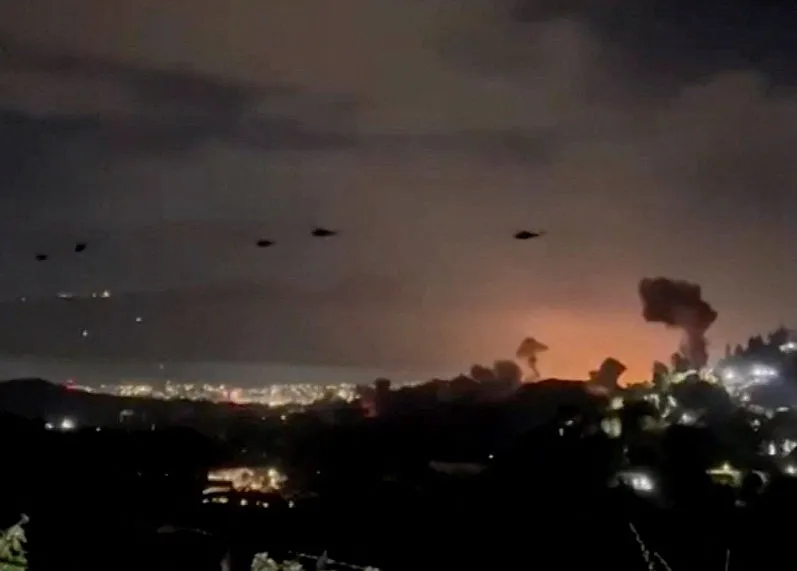
There is no public indication that the Castro indictment is tied to any planned military action. But the overlap between criminal charges, naval deployments and pressure on regional adversaries will invite comparisons to the Venezuela campaign, where U.S. law enforcement actions and military posture moved in parallel.
For Havana, the indictment is likely to be seen as both legal action and political pressure. For Washington, it puts Castro personally in the crosshairs of a U.S. criminal case and signals that the administration is willing to reach back decades as it sharpens its confrontation with Cuba.

No comment yet, add your voice below!