Norway’s King Harald Hospitalized in Oslo

Iran Hardliners Prepare for Wider War
- Iran’s leadership has spent the past two months restructuring military command, accelerating missile production and preparing for prolonged conflict despite continuing negotiations with Washington.
- By Faytuks Newsroom
- • August 17 2026
- •
- 1 minute
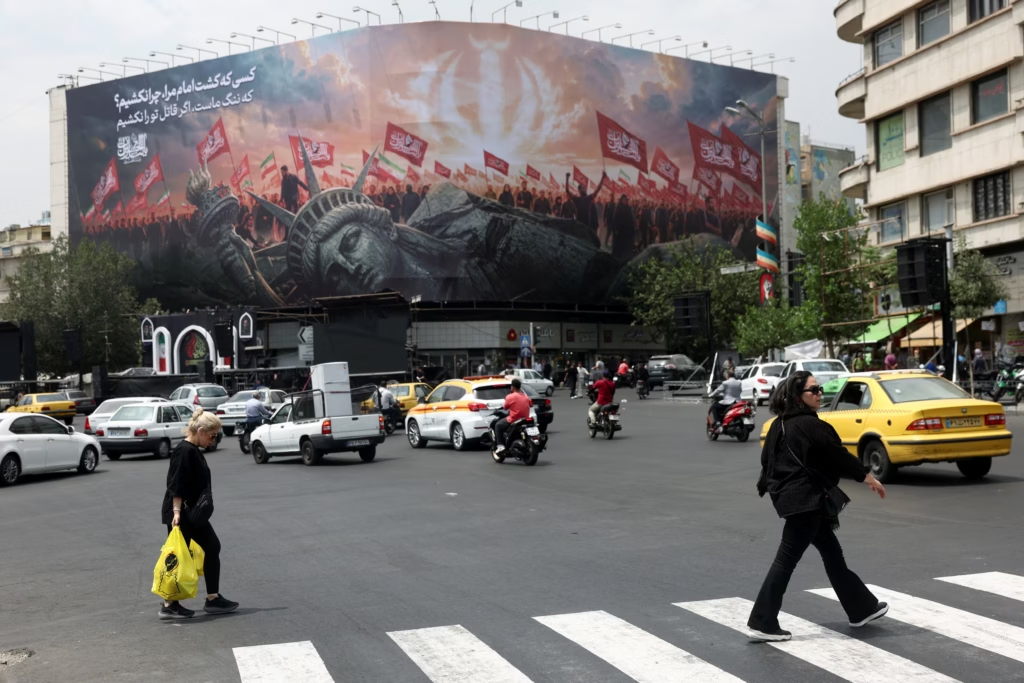
- People walk past an anti-U.S. billboard on a street in Tehran, Iran, August 3, 2026. Photo by Majid Asgaripour (WANA) via REUTERS.
Iran’s leadership has spent the period following its June memorandum of understanding with the United States preparing for a potentially larger and more prolonged conflict, according to officials familiar with internal planning. Senior Iranian figures reportedly viewed the agreement not as the beginning of a durable settlement, but as a tactical pause that could give Washington and Israel time to regroup for another campaign. Since then, Tehran has strengthened the Islamic Revolutionary Guard Corps’ influence over military decision-making, accelerated missile and drone production and expanded preparations for operations extending beyond the Persian Gulf.
Recent leadership changes have reinforced that shift. Supreme Leader Mojtaba Khamenei appointed several veteran commanders to senior posts, including former IRGC chief Mohsen Rezaei as his representative to the Supreme National Security Council. President Masoud Pezeshkian later named Rezaei secretary of the council, placing one of Iran’s longest-serving Revolutionary Guard figures at the center of national security policy. Iran has also appointed new commanders across the Armed Forces General Staff, IRGC, IRGC Navy and Basij. Iranian officials have publicly described the appointments as strengthening the country’s ability to confront continued pressure from the United States and Israel.
The buildup has been accompanied by increasingly aggressive operations and warnings across the region. Iranian forces have continued pressuring commercial shipping around the Strait of Hormuz, while Tehran has threatened energy infrastructure in Gulf states if Iranian facilities are targeted. Iranian officials have simultaneously emphasized that the country remains capable of sustaining missile production despite months of fighting, while military commanders continue framing the confrontation as an extended struggle rather than a temporary crisis.
The strategy complicates efforts to turn the June agreement into a broader settlement. Tehran and Washington remain divided over sanctions relief, frozen Iranian assets, control of the Strait of Hormuz and the future U.S. military presence in the region. Iran’s recent military restructuring suggests its leadership is preparing for negotiations and renewed fighting at the same time, preserving diplomatic channels while rebuilding the capacity needed for another escalation. That approach leaves the regional conflict vulnerable to another rapid expansion even as mediators continue seeking a longer-term agreement.
More Stories
from the Faytuks Newsroom.
Share this Story
From Faytuks Network
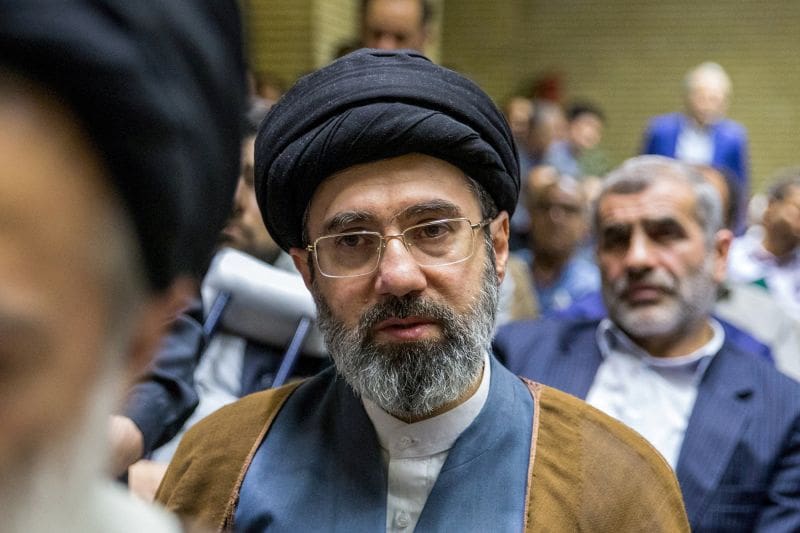
A senior CIA official tells Faytuks Network the US can confirm Mojtaba Khamenei survived the initial airstrike on February 28 that killed his father, then-Supreme Leader Ali Khamenei, but his whereabouts since have been a mystery.
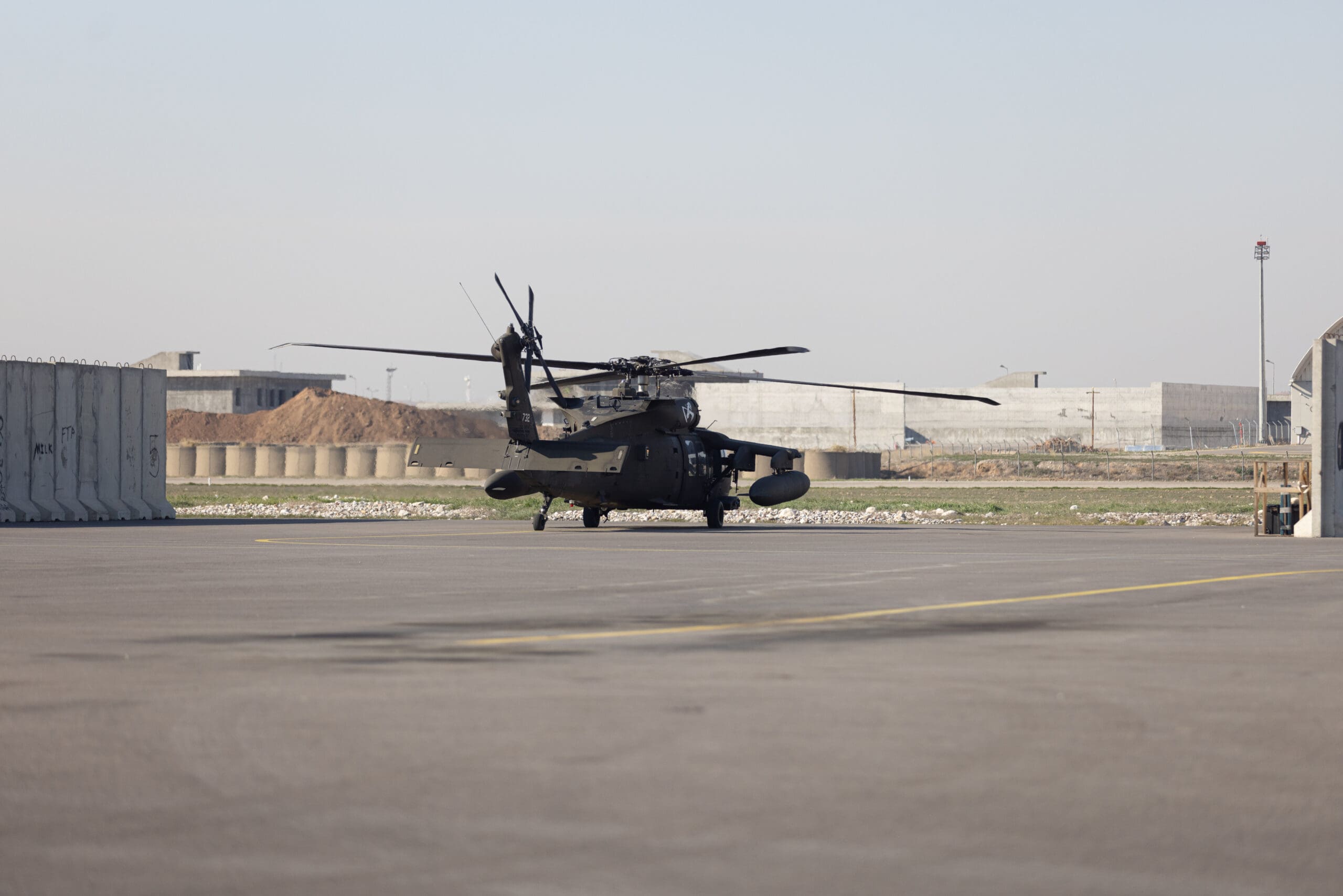
U.S. forces are still on track to leave Iraq by Sept. 30, Reuters reports, even as regional tensions rise. Saudi Arabia is warning that Iran-backed groups in Iraq and Yemen could be preparing coordinated attacks on the Kingdom.
Support Faytuks Network
Faytuks Network is built by volunteers and powered by its community. Contributions help cover the hosting, security and infrastructure costs that keep the site running. Plus, exclusive Discord and X benefits!
Contribute


No comment yet, add your voice below!