According to the United Nations (UN), the Bundibugyo virus, a rare strain of Ebola, is on track to become the fastest-growing and deadliest Ebola outbreak in Congo’s history. “Ebola is winning in the Democratic Republic of the Congo,” UN humanitarian affairs chief Tom Fletcher said in a statement. The current epidemic has surpassed the country’s 2018–2020 outbreak both in terms of growth and lethality, placing it just behind the 2014–2016 West Africa outbreak that took the lives of more than 11,300 people and infected over 28,000.
Initially declared on May 15 by Congolese health authorities, the Bundibugyo Ebola epidemic has claimed the lives of 4,148 people, representing approximately 48% of all diagnosed cases. The Democratic Republic of the Congo’s (DRC) Ituri province remains the epicenter of the crisis, where 6,450 cases are concentrated out of 8,603 reported across the country, accounting for roughly 75% of total infections. The latest data released by health authorities on Oct. 7 show that more than 2,200 people have recovered from the virus.
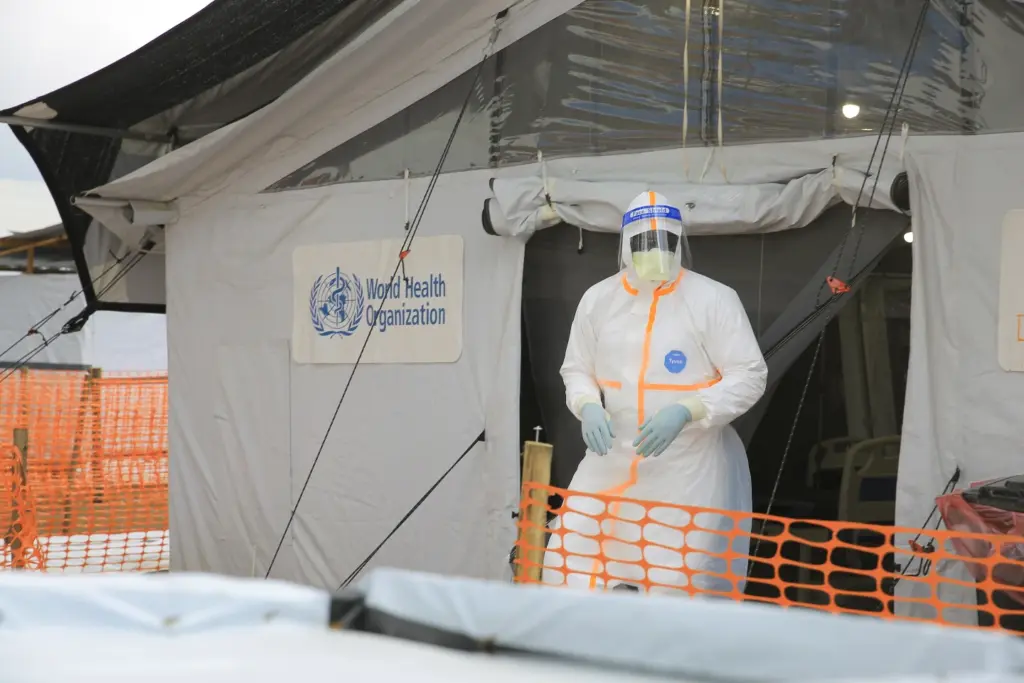
Ebola is a rare viral disease carried by bodily fluids, such as blood, vomit, and saliva, from either an infected person or a wild animal. These animals can be asymptomatic, like African fruit bats, which are considered to be natural hosts for the Ebola virus. Symptoms of the virus include high fever, intense vomiting, and internal bleeding, and are often fatal. Treatment exists for certain strains of the virus, like the Zaire strain, in the form of vaccines and medication, but for the rest, treatment remains primarily supportive care. In the DRC, the Bundibugyo strain of Ebola has been deemed the cause of the outbreak, and while it has no approved treatment, efforts to develop one are underway, according to the World Health Organization.
Between 2014 and 2016, the Ebola epidemic killed more than 11,300 people across West Africa, with 49 deaths recorded in the DRC. However, that outbreak was geographically isolated in Congo and quickly contained by health authorities before escalating into a wider crisis. Additionally, the earlier outbreak was caused by the Zaire strain of the virus, which has approved vaccines, whereas the Bundibugyo strain has no approved vaccines or specific treatments.
As the Ituri province continues to struggle with the Ebola outbreak, armed conflicts between Congolese military forces and local militias have hampered containment operations, causing the UN’s efforts to fall short and the virus to spread further. Across the eastern DRC, over 2 million people are seriously malnourished, with Ituri topping the list. In this region alone, more than a million people face hunger, generating the unsanitary conditions necessary for the virus to proliferate.
Efforts to mitigate the spread of the virus have slowed drastically, with no breakthrough achieved, largely due to persistent armed conflict across the eastern DRC. Cases continue to emerge in remote communities lacking access to health facilities, where poor infrastructure and armed factions prevent medical personnel from reaching affected areas. Meanwhile, rumors circulating about the virus have prompted residents to avoid health clinics and disregard warnings from authorities.
Earlier this month, Congolese military forces raided and seized a UN-operated displacement camp housing an Ebola transit center, alleging the facility was sheltering non-state militia members and storing weapons. During the military operation, more than 19,000 people fled the site, including camp residents and healthcare workers. The Kigonze camp, located on the outskirts of Bunia, now lies abandoned after soldiers reportedly burned the facility to the ground. Julien Harneis, the UN’s senior humanitarian official in the DRC, condemned the raid and confirmed the center is no longer operational. “It’s been a huge struggle to create Ebola transit centres [and] Ebola treatment centres; it’s required money, bringing in staff and it’s been a struggle all across the east,” he added.












No comment yet, add your voice below!